
Resirkulerte fiskegarn hjelper økonomien og miljøet
Prosjektet «Net Free Seas» i Indonesia viser at det er mulig å kombinere miljøvern og økonomisk utvikling. Initiativet er noe både havet og lokale fiskere nyter godt av.

Published: 27.June, 2024 Last updated: 05.December, 2025
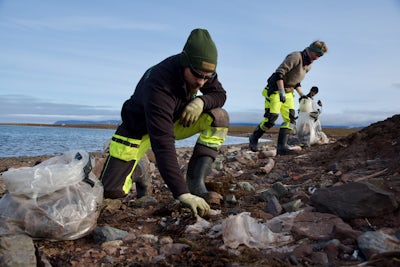
Indonesia faces a significant challenge when it comes to managing used and broken fishing gear. The lack of proper waste management systems has led many fishermen to abandon or burn used fishing nets on the beaches, instead of paying to have them properly disposed of, which negatively impacts the ocean's ecosystem. Now, the Environmental Justice Foundation (EJF) and the Norwegian Retailers' Environment Fund have teamed up to tackle this problem.
– Here in Indonesia, we have many fishermen, so we saw the need for a robust and sustainable solution for how to handle this. Therefore, we have established a waste chain where fishermen are paid to turn in their fishing nets, says Hanif Arzaq, campaign assistant for EJF in Indonesia.
Se hvordan lokalsamfunnet i den lille fiskelandsbyen Pangandaran gir brukte fiskenett nytt liv:
Wants to expand nationwide
“Net Free Seas” has established a system where fishermen can sell their used fishing nets to a recycling station, where they are recycled into new products. So far, around eight tonnes of fishing nets have been collected and recycled, generating revenues of almost 40,000 Norwegian kroner for the local communities.
Arzaq believes this proves that fishing nets, which were previously treated as waste, actually have great value. The ambition is to expand the project to all fishing villages in Indonesia.
– The project helps both the ocean and the environment, he says.

Strengthening the Local Community
The tourist city of Pangandaran has already noticed the positive effects of the initiative. The local freedivers Awin and Acuy express relief that the abandoned fishing nets are being removed.
– They are very annoying when diving, explains Awin.
– Additionally, the fishing nets attach to coral reefs, which is damaging to the fish population, adds Acuy.
The village fishermen also see the change that the introduction of the recycling system has brought about.
– The project has really helped fishermen around Pangandaran, including myself. Our beach is clean, and there are almost no nets or ropes along our coastline anymore, reports Ade, a local fisherman.
– It has strengthened both the economy and the local community. The entire village works together, and no one is without work, he concludes.

News



This site is translated by AI